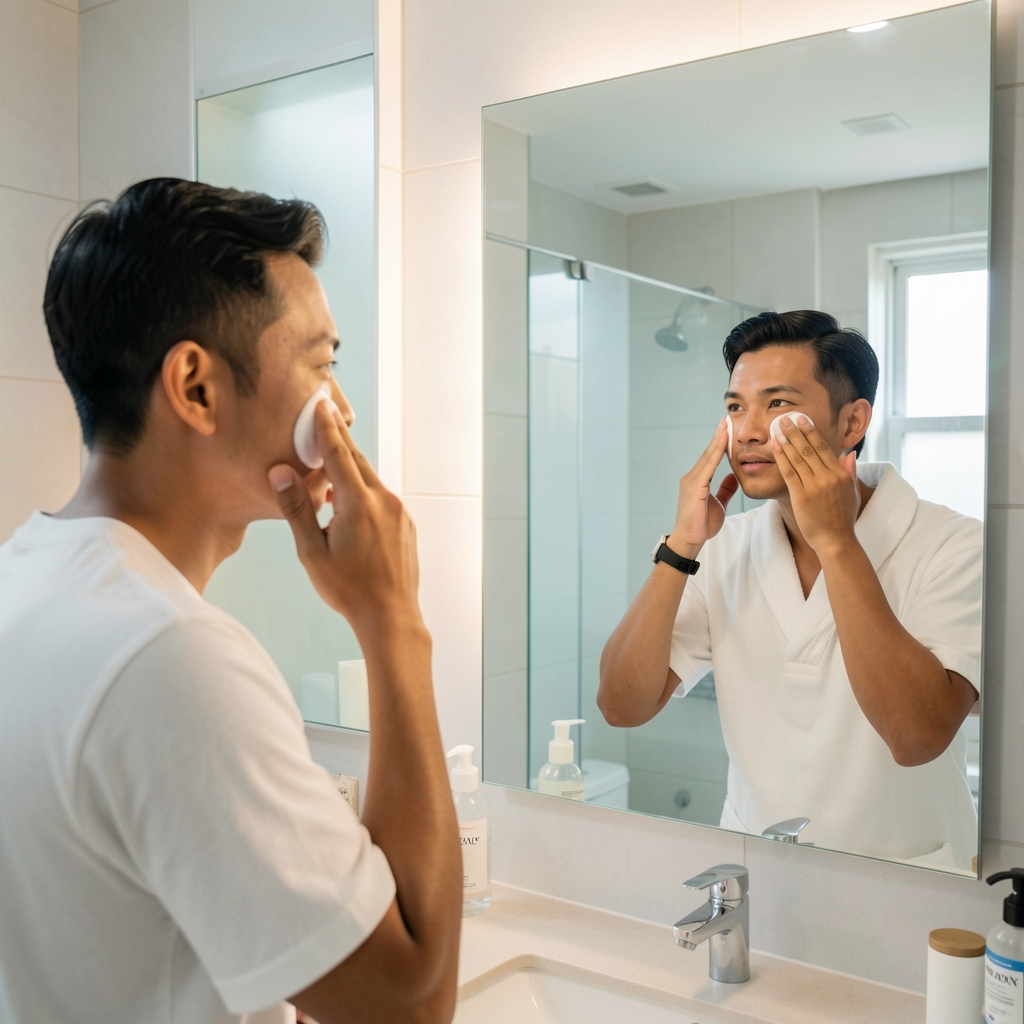
Morning Routine
The first hours of the day are disproportionately influential on how the remainder of it unfolds — a fact that the circadian rhythm literature documents in considerable detail. Ardenok's morning-routine entries examine light exposure, hydration timing, movement sequencing, and the cognitive state that precedes focused work.
The journal is particularly interested in routines that reduce decision fatigue without requiring a pre-dawn waking schedule. In a city with Jakarta's traffic patterns and humidity, the practical constraints of a morning are quite specific — entries reflect this.
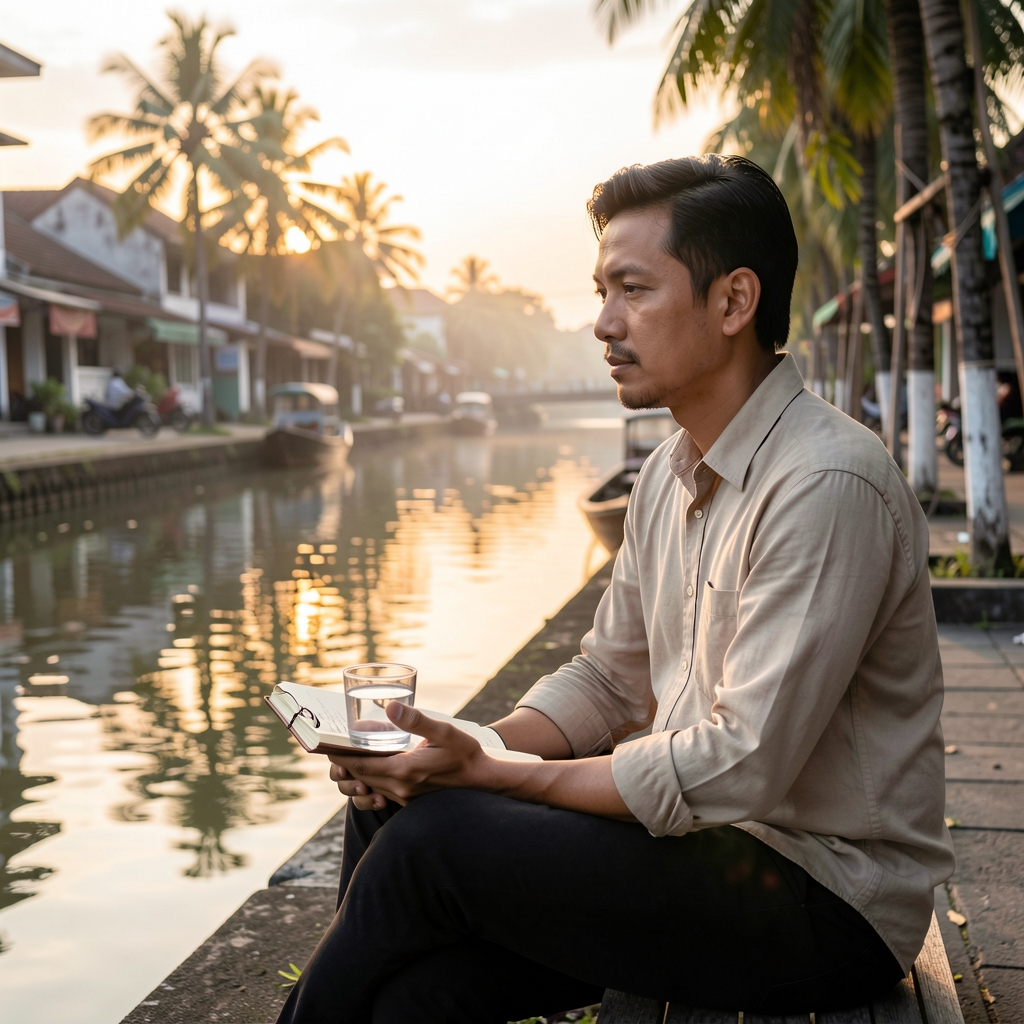
Strength & Conditioning
Resistance training for men working within the real constraints of a professional schedule — limited equipment availability, inconsistent session timing, and the fatigue that accumulates across a demanding working week. Ardenok documents progressive resistance approaches, body composition awareness strategies, and the science of how muscle responds to loading under suboptimal recovery conditions.
The functional fitness orientation here is deliberate. The journal prioritises movement patterns that translate to physical confidence and resilience over highly specialised athletic development that requires infrastructure most Jakarta professionals do not have.

Balanced Nutrition
Nutritional guidance in this journal operates from a foundation of peer-reviewed dietary research, adapted for the food environment that Indonesian men actually encounter. The entries cover whole-food sourcing, meal structure, portion awareness, and the practical application of nutritional principles within the Indonesian culinary tradition — which, when approached thoughtfully, offers considerable alignment with evidence-based dietary patterns.
The journal takes a particular interest in lean eating principles and mindful eating as a cognitive skill rather than a restrictive framework. Entries in this category avoid caloric obsession in favour of structural literacy — understanding what a well-composed plate looks like, and why.
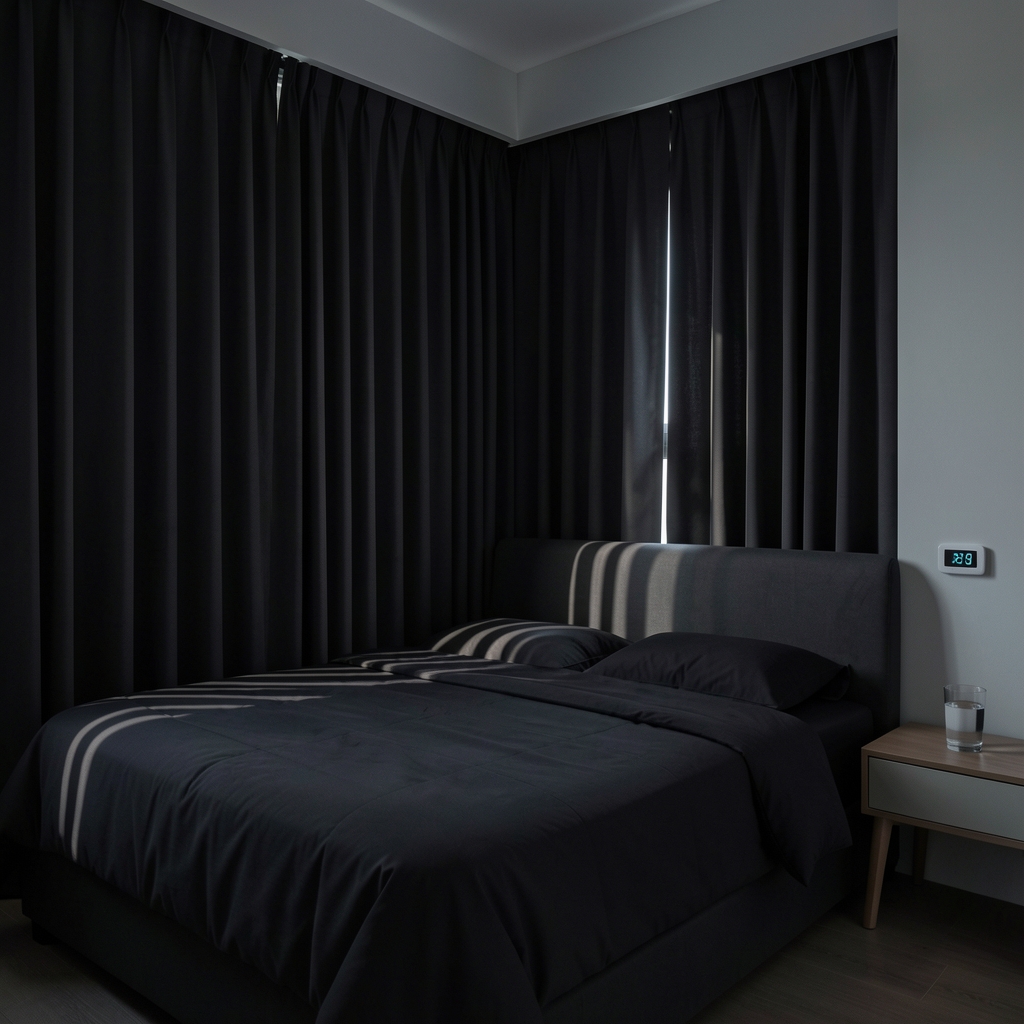
Sleep Quality Improvement
Sleep architecture — the sequencing of light, deep, and REM phases across a night — is one of the most researched and most commonly neglected dimensions of male well-being. Ardenok documents what the literature shows about sleep quality, environmental factors, pre-sleep routines, and the downstream effects on energy, focus, and physical recovery.
Jakarta's urban environment presents specific challenges for sleep quality: ambient noise, late meal timing common in local culture, and the psychological patterns of high-pressure professional environments. Entries in this category are directly responsive to these conditions.
Hydration & Recovery
In a tropical climate averaging 30°C and high humidity, hydration is not peripheral to performance — it structures it. Ardenok examines fluid intake strategies, electrolyte balance, and the active recovery protocols that accelerate return to training readiness after exertion.
The recovery dimension extends beyond fluid replacement to encompass mobility work, sleep quality overlap, and the psychological aspect of deliberately choosing rest as a performance input.
Stress Management
Work-life rhythm management, pressure response, and the daily navigation of professional demand are subjects the journal documents with the same analytical care as the physical content areas.
Entries in this category draw from published research in occupational psychology, behavioural science, and the overlap between cognitive load and physical well-being — not from popular productivity culture, which the journal treats with appropriate scepticism.
Weekend Outdoor Fitness
Trail running at Gunung Gede, open-water swimming at Ancol, group cycling to the Puncak pass — the greater Jakarta region offers more outdoor fitness infrastructure than its reputation suggests.
Ardenok documents these venues and activities with practical notes on timing, preparation, and how an outdoor session integrates with the week's training load. Entry schedules, route condition notes, and gear observations appear in this category.
Progress Tracking
The journal's interest in progress tracking is methodological rather than motivational. Entries examine the tools, cadences, and frameworks that allow a working man to maintain an accurate picture of where his well-being practice stands — without turning self-assessment into a second job.
Covered topics include habit-consistency observation, body composition benchmarking, endurance markers, and the appropriate use of wearable data — alongside a clear-eyed view of what tracking cannot replace.